Right to Freedom (R2F), a US-bansed rghtss body, has actively supported Bangladesh civil society organisations and young activists who played a key role in the 5 August Student Uprising—a movement that ultimately led to the downfall of a regime whose mismanagement had forced Bangladesh to seek assistance from the International Monetary Fund (IMF).
Bangladesh has been undergoing a profound democratic transition following years of systemic corruption, political repression, and economic mismanagement under the previous regime. The country’s human rights landscape was marred by enforced disappearances, suppression of dissent, and widespread electoral fraud, leading to growing unrest.

UK-based investigators are assessing how they might assist with inquiries into alleged large-scale corruption in Bangladesh, UK-based Sky News reported.
This development follows remarks from Bangladesh’s interim leader, who claimed that Labour MP Tulip Siddiq had "wealth left behind" in the country and "should be held accountable."
Tulip resigned as Minister for Anti-Corruption in January after being named in corruption investigations launched by Bangladeshi authorities.
A spokesperson for the London MP stated that she "categorically denies the allegations" and has "not been contacted regarding these matters."
From 25 February to 6 March, at the invitation of the International Department of the Communist Party of China Central Committee (IDCPC), a 21-member delegation from Bangladesh—including representatives from political parties, student leaders, scholars, and journalists — visited China. This marked the first occasion on which China extended an official invitation to a large, cross-sectoral Bangladeshi delegation, an event that has been described as a significant diplomatic milestone in China-Bangladesh relations.

Investigative Desk:
A silent epidemic is gripping the heartland of Bangladesh, where the picturesque rural landscape masks a grim reality: a growing drug crisis that is devastating the youth, eroding social values, and plunging communities into despair.
Cannabis and methamphetamine, particularly the potent Yaba tablets, have infiltrated these once-tranquil villages, ensnaring adolescents as young as 13 in a relentless cycle of addiction. The most vulnerable age group, between 13 and 22 years, is experiencing alarming rates of substance abuse.

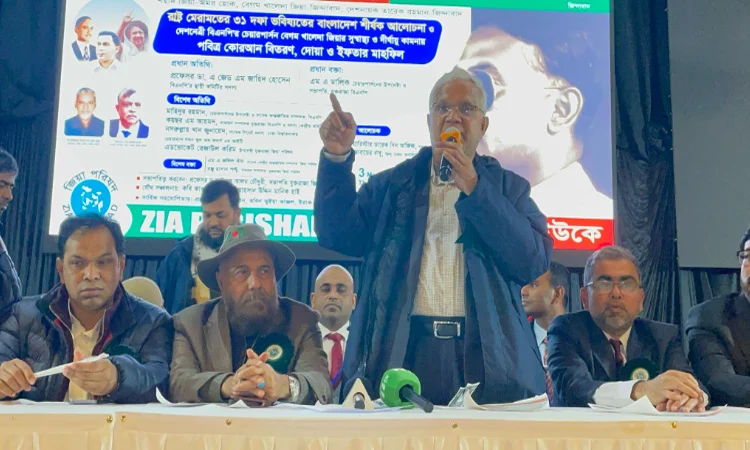
Bangladesh Nationalist Party (BNP) Standing Committee Member Dr. AZM Zahid Hossain said BNP Chairperson Begum Khaleda Zia is much better now than before.
"Madam (Khaleda Zia) is physically better than before. Doctors are visiting her at home and providing regular medical care," he said.
Dr Zahid said this while speaking as the chief guest at an Iftar Mahfil organised by Zia Parishad, UK, at a hall in East London, the United Kingdom (UK), on Monday (March 3) evening local time.
The event was organised to pray for the Chairperson Khaleda Zia's recovery. She has wished the countrym...
Chief Justice (CJ) Dr Syed Refaat Ahmed has stated that efforts are underway to safeguard the judiciary from political influence and restore public confidence in the judicial system.
He made these remarks as the chief guest at a seminar titled “Upholding Environmental Justice: Role of Judges for a Sustainable Future”, organised by the Bangladesh Supreme Court at the Ruposhi Bangla Ballroom of Hotel Intercontinental on Monday.
"Article 116 of our Constitution was originally introduced to ensure judicial independence. However, the Fourth Amendment altered this provision, limiting judicial autonomy and disrupting the balance of powers," the Chief Justice explained.